The Multi-Billion Dollar Last-Mile War: DoorDash, Uber, and Amazon Fight for the Ultimate Delivery Monopolies

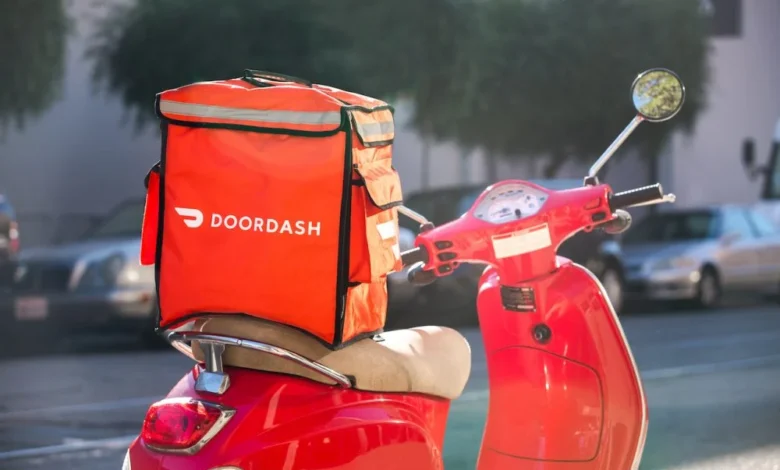
The landscape of American retail logistics is undergoing a tectonic shift, driven by an escalating race for dominance in speed, convenience, and consumer wallet share. Last week’s blockbuster announcement that DoorDash has proposed a staggering $17 billion acquisition of Instacart signals a new era of hyper-consolidation within the last-mile delivery sector. Should regulatory hurdles be cleared, the merger will bind together two industry titans that currently command an overwhelming 77% of total consumer spending across U.S. delivery platforms, according to data from market research firm Consumer Edge.
This multi-front conflict involves three primary combatants: DoorDash, Uber Eats, and e-commerce behemoth Amazon. As these giants push deeper into each other’s historical strongholds, the lines separating restaurant delivery, grocery drops, ridesharing, and general retail logistics are blurring entirely. For retailers, suppliers, and consumers alike, the implications of this corporate chess match will fundamentally alter how goods move from shelves to doorsteps.
The Anatomy of the Blockbuster Merger
To understand the weight of DoorDash’s proposed acquisition of Instacart, one must examine the divergent trajectories of the companies over the past half-decade. DoorDash has experienced explosive, uninterrupted revenue growth, scaling its operations far beyond its restaurant-delivery roots. By embedding apparel retailers into its marketplace and expanding its proprietary, delivery-only convenience store network known as DashMart, DoorDash grew its revenue by nearly 24% between 2023 and 2024, followed by another 28% growth spike heading into 2026.
Conversely, Instacart has faced a challenging market correction. Over the last five years, Instacart’s share of U.S. delivery platform spending has eroded significantly, dropping from 26% down to 18%, according to Consumer Edge. Meanwhile, key rival Uber Eats has held its ground, maintaining a steady slice of just under 20% of the market over the same five-year window.
Faced with this data, industry observers have questioned why a rapidly growing market leader like DoorDash would assume the massive financial risk and regulatory scrutiny of an expensive, time-consuming acquisition. The primary catalyst, according to supply chain analysts, is the encroaching shadow of Amazon.
The Amazon Factor: Squeezing the Timeline
Historically, these platforms maintained distinct value propositions: DoorDash conquered restaurant takeout, Uber mastered urban ridesharing, Instacart owned online grocery shopping, and Amazon defined e-commerce and two-day shipping via its Prime membership. However, the modern retail environment has rendered these boundaries obsolete as all four entities converge on a single, ultimate objective: hyper-speed fulfillment.
Amazon has aggressively weaponized its vast logistics infrastructure to cut delivery windows down to fractions of a day. This year, the Seattle-based giant poured significant capital into 30-minute and one-hour delivery networks, directly challenging DoorDash and Instacart’s core territory. In March, Amazon launched one-hour delivery services across hundreds of U.S. cities, quickly followed in May by the rollout of "Amazon Now" in dozens of major metropolitan areas. Amazon Now promises delivery on thousands of essential goods—spanning groceries, household items, and personal care—in 30 minutes or less.
The existential risk for DoorDash is clear: if Amazon successfully positions itself as the default option for ultra-fast, 30-minute delivery in the minds of consumers, the dedicated delivery apps risk obsolescence. To neutralize this threat, DoorDash is betting that scale, combined with specialized technological infrastructure, can build a defensive moat that even Amazon cannot easily breach.
Framing the Narrative: Appeasing Regulators and Empowering Local Merchants
Antitrust concerns loom large over a $17 billion deal that consolidates more than three-quarters of the U.S. delivery market. Anticipating fierce pushback from federal regulators, DoorDash used its official acquisition announcement to emphasize a different narrative: the preservation and empowerment of Main Street retailers.
In its press release, DoorDash argued that the merged entity would provide independent grocers and local restaurants with advanced technology and fulfillment capabilities that would otherwise be financially out of reach.
"More grocers could deploy Instacart’s technology to run their own websites and retail media networks, bringing them more sales and advertising revenue," the DoorDash statement outlined. Additionally, the company noted that local brands would gain a scaled alternative to massive marketplaces for reaching online customers. By leveraging DoorDash’s DashMart fulfillment network, independent grocers could theoretically expand their online order capacity while ensuring faster, more accurate, and more cost-effective last-mile delivery.
Whether antitrust regulators at the Federal Trade Commission (FTC) and the Department of Justice (DOJ) will accept this pro-competition framing for local businesses remains one of the defining questions of the upcoming review process.
Uber’s Global Counter-Strategy
The seismic pairing of DoorDash and Instacart leaves Uber Eats in a precarious position domestically, forcing its leadership to seek out aggressive strategies to maintain global and domestic competitiveness.
Uber has chosen to counter by expanding its footprint outside the United States and securing its own mega-deals. In July, Uber announced a massive $15 billion takeover bid for Germany-based Delivery Hero. According to reports from Reuters, the successful integration of Delivery Hero would forge the single largest food-delivery conglomerate operating outside of China, establishing a formidable international fortress against DoorDash’s domestic expansion.
Furthermore, Uber retains a distinct structural advantage that DoorDash lacks entirely: a massive global ridesharing network. In recent years, Uber has funneled substantial resources into maximizing the profitability of its mobility sector. Investments in autonomous vehicle partnerships and the continuous scaling of its paid subscription tier, Uber One, create a resilient financial cushion that pure-play delivery apps cannot replicate.
The Battleground of Retail Media and Data Monetization
Beyond the logistics of moving physical goods, the DoorDash-Instacart union unlocks a powerful secondary revenue stream: retail media and consumer data monetization.
By combining datasets from restaurant orders, convenience runs, and supermarket baskets, the merged entity would possess an unprecedented 360-degree view of consumer purchasing habits. This holistic data ecosystem would allow brands to execute hyper-targeted, multi-channel advertising campaigns across diverse shopping occasions.
"If someone is exposed to an ad on DoorDash but then made a purchase through Instacart at a respective grocery or retail location, that allows more measured outcomes that can be proved," explains Greg Carlucci, senior director analyst at Gartner. This closed-loop attribution is precisely what modern brand marketers demand, transforming delivery platforms into high-margin media networks.
Even here, however, Uber retains a unique tactical advantage. Uber’s ridesharing ecosystem enables advertisers to target consumers during entirely different high-intent moments—such as transit, commuting, or traveling on vacation—contexts that are exceptionally difficult for food and grocery delivery platforms to capture.
Ultimately, the aggressive maneuvers executed by DoorDash, Uber, and Amazon underscore the immense economic value locked inside the final link of the supply chain. As Carlucci notes, "Last-mile delivery is [kind] of the last frontier where it controls a lot of additional transactions." As this high-stakes war for the consumer wallet continues to unfold, the structural architecture of modern retail logistics will be permanently reshaped.
Broader Industry Trends: Navigating Inventory and Supply Chain Integrity
While last-mile giants battle for delivery supremacy, brands and retailers operating further up the supply chain face their own distinct operational hurdles ahead of the critical holiday shopping season.
Cotopaxi Pioneers the "Drop Strategy" for Holiday Buzz
As retailers prepare for the high-stakes Black Friday-Cyber Monday (BFCM) window, outdoor apparel brand Cotopaxi is rolling out an innovative marketing and inventory management strategy dubbed "Cotodays." Throughout the first eleven days of November, the brand is introducing fresh product drops every other day.
This approach serves a dual purpose. From a marketing perspective, it builds sustained consumer excitement and introduces new shoppers to the brand ahead of peak holiday shopping. Operationally, it addresses a persistent inventory dilemma. Historically, brands must sink significant capital into massive upfront inventory orders to prepare for the holidays, carrying the risk of unsold stock and heavy markdowns in January. By utilizing a rolling drop model, brands can drive continuous consumer engagement and urgency without aggressively over-inflating their initial inventory commitments.
Online Supplement Market Grapples with Counterfeit Concerns
In the e-commerce sector, the direct-to-consumer health and wellness space is experiencing unprecedented demand, accompanied by rising consumer anxiety regarding supply chain transparency. A recent survey conducted by online supplement retailer iHerb revealed that 54% of online supplement shoppers harbor serious concerns regarding counterfeit products flooding the digital marketplace.
The survey, which polled 2,795 U.S. adults, highlights a growing trust deficit among digital consumers who question the exact sourcing, handling, and ingredient potency of vitamins and minerals purchased online. In response to these widespread anxieties, major platforms are being forced to conduct rigorous internal audits, forcing tighter verification protocols further up their sourcing and supply chains to guarantee product authenticity and consumer safety.